



Mobile apps are no longer optional for businesses looking to stay competitive. Whether it’s a startup launching a new product or an established company expanding its digital presence, speed, cost efficiency, and scalability are critical factors in mobile development decisions. That’s why more businesses are turning to React Native mobile app development in 2026
Originally introduced by Meta, React Native has matured into one of the most widely adopted frameworks for building cross-platform mobile applications. Today, businesses use it to launch high-quality apps faster while reducing development costs and maintenance overhead.
What Is React Native Mobile App Development?
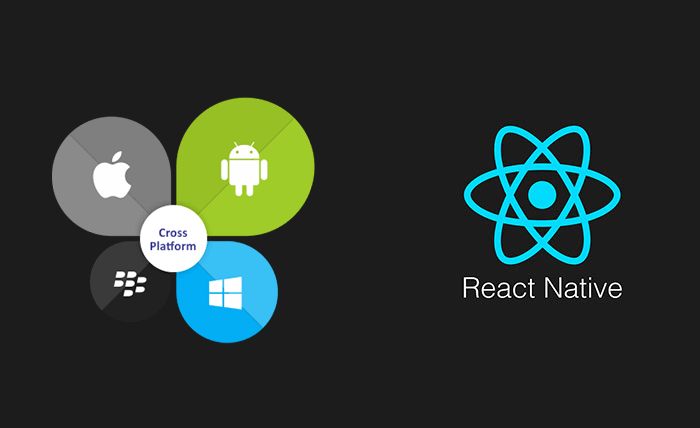
React Native app development is the process of building mobile applications using JavaScript and React while targeting both iOS and Android platforms from a single codebase.
Instead of maintaining separate development teams and codebases for each platform, businesses can use
React Native to create a unified application experience across devices.
This approach has made react native mobile app development one of the most attractive options for companies looking to accelerate their mobile strategy.
Faster Development with a Single Codebase
One of the biggest reasons businesses choose React Native is speed
Traditional mobile development often requires separate iOS and Android projects, which means building
and maintaining two different codebases. React Native eliminates much of that duplication by allowing
developers to write code once and deploy it across multiple platforms.
This significantly reduces development time and allows teams to:
- Launch products faster
- Release updates more efficiently
- Reduce duplicate development work
- Accelerate feature delivery
For businesses looking to build React Native apps quickly, this advantage can make a substantial
difference in time-to-market.
Lower Development and Maintenance Costs
Maintaining two separate mobile applications can become expensive.
With React Native app development, businesses can often reduce development costs because much of the code is shared across platforms. Maintenance also becomes simpler since updates and bug fixes can frequently be applied to a single codebase.
For companies evaluating React Native development services, this cost efficiency is often one of the
strongest business arguments in favor of the framework.
Improved Performance and Stability
Early versions of React Native were often criticized for performance limitations. However, significant
improvements over recent years have changed that perception.
Modern React Native applications benefit from:
- Faster rendering
- Improved native module integration
- Better memory management
- Enhanced debugging tools
- More stable production environments
As a result, businesses can now confidently use React Native app development company solutions for a wide range of commercial applications.
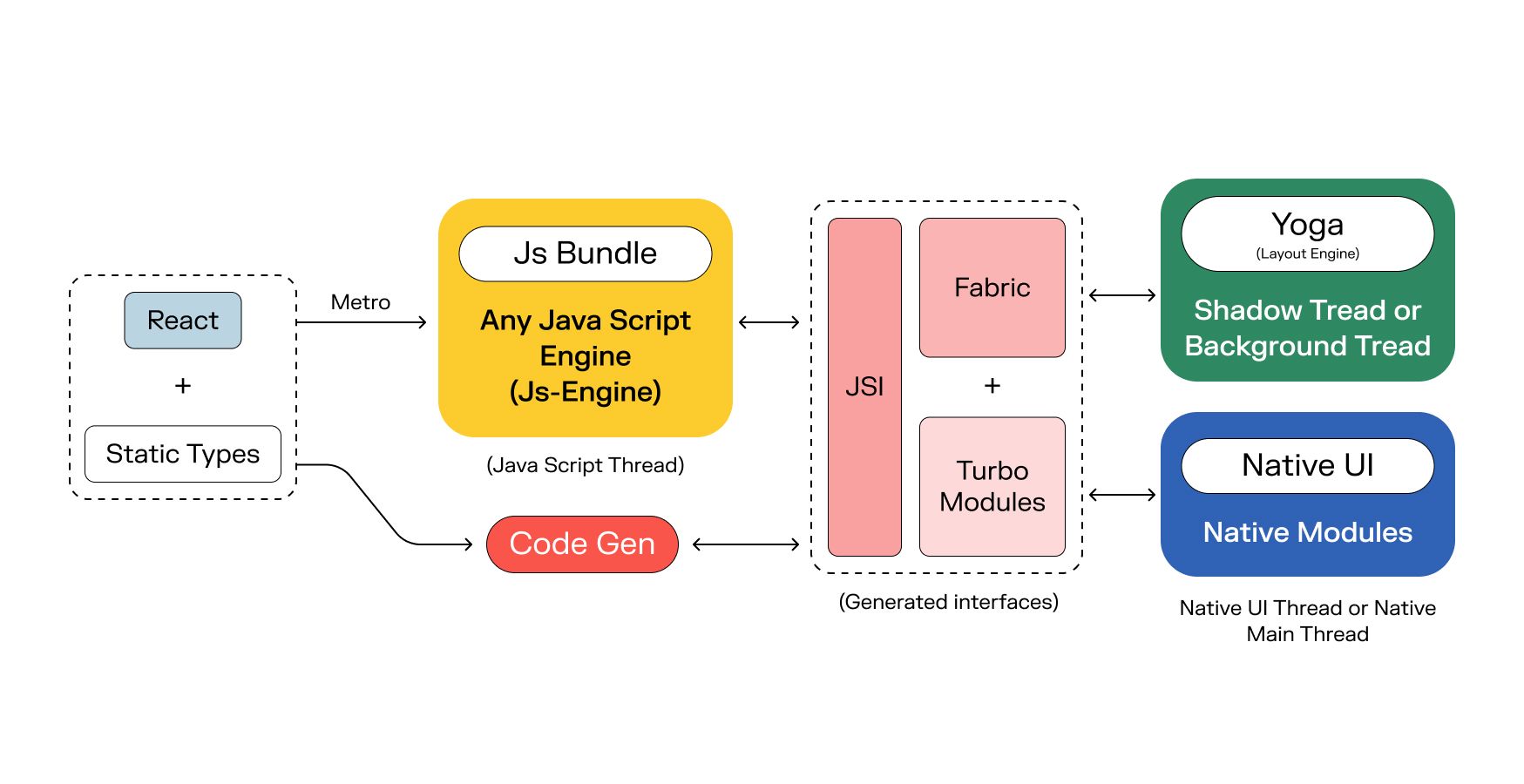
Here is a detailed study from the React team on the new architecture of React’s framework : New Architecture is here
Now before we discuss the reasons for choosing react native app development. Let’s first discuss some of the dos and don’ts of react native first.
Do's
Use a single codebase to accelerate development across platforms.
Leverage the React Native ecosystem and community resources.
Prioritize scalable architecture from the start.
Use modern tools such as Expo and component libraries.
Choose experienced React Native developers for complex projects.
Don'ts
Assume native development is always necessary.
Ignore long-term maintenance considerations.
Build without considering scalability requirements.
Overlook performance testing on real devices.
Choose frameworks based solely on trends rather than business goals.
Why Startups Choose React Native
Startups operate under tight budgets and aggressive timelines.
Using React Native allows startups to:
- Validate ideas faster
- Reach both iOS and Android users simultaneously
- Reduce initial development costs
- Iterate quickly based on user feedback
Many startups work with a React Native development company to accelerate product launches without investing in separate platform-specific teams.
For founders looking to create a React Native app quickly, the framework offers an efficient path from concept to market.
How Established Businesses Benefit
React Native isn’t just for startups.
Large organizations increasingly use React Native to modernize legacy systems, improve customer
experiences, and accelerate digital transformation initiatives.
Because React Native supports rapid development cycles, businesses can introduce new features faster
while maintaining a consistent user experience across devices.
This flexibility makes React Native development services appealing for organizations seeking long-term scalability.
A Growing Developer Ecosystem
Another reason React Native remains popular in 2026 is its thriving ecosystem.
Businesses can easily find experienced React Native developers, access open-source libraries, and leverage a large community of contributors.
The ecosystem also supports modern workflows such as:
- Expo development
- Component libraries
- Testing frameworks
- Design system integration
- Figma-to-development workflows
For example, many teams now move from Figma to React Native development with streamlined design-to-code processes that accelerate project delivery.
Thinking about building your next mobile app with React Native? Contact our experts today and let’s discuss your requirements.
Enhance your brand potential
If you’re ready to become the answer in AI-driven search, talk to us.

Popular Companies Using React Native
React Native’s adoption extends far beyond startups.
Many well-known companies like Meta, Microsoft, Amazon, Shopify, and Tesla have used React Native in various capacities to improve development efficiency and deliver consistent mobile experiences.
The framework’s widespread adoption demonstrates its ability to support both growing businesses and
enterprise-scale applications.
For a more detailed insight of which big-time corporations have opted with React Native as their trusted framework, give this a read : Who is using React Native?
React Native vs Native App Development
From a business perspective, the choice often comes down to priorities.
Native development may still be preferable for highly specialized applications requiring maximum device-level optimization.
However, for many business applications, React Native provides an ideal balance between performance,
speed, and cost efficiency.
When evaluating React Native app development versus native development, businesses often find that React Native delivers faster development cycles and lower costs while still providing an excellent user experience.
Final Thoughts
The continued growth of React Native mobile app development in 2026 is no accident. Businesses are increasingly prioritizing faster development, lower costs, and the ability to reach multiple platforms without maintaining separate codebases.
Whether you’re a startup looking to validate a new idea or an established company pursuing digital
transformation, React Native offers a practical and scalable approach to mobile app development. With a
strong ecosystem, improved performance, and growing industry adoption, it’s easy to see why more
businesses continue to invest in React Native solutions.
