



Businesses investing in web applications today need technology that is fast, scalable, secure, and future-ready. While AngularJS was once one of the most popular frontend frameworks, Modern Angular has evolved significantly to meet the demands of today’s applications.
If your business is maintaining an older AngularJS application or planning a new project, understanding the differences between AngularJS and Modern Angular is essential before making a long-term technology decision.
Understanding AngularJS and Modern Angular
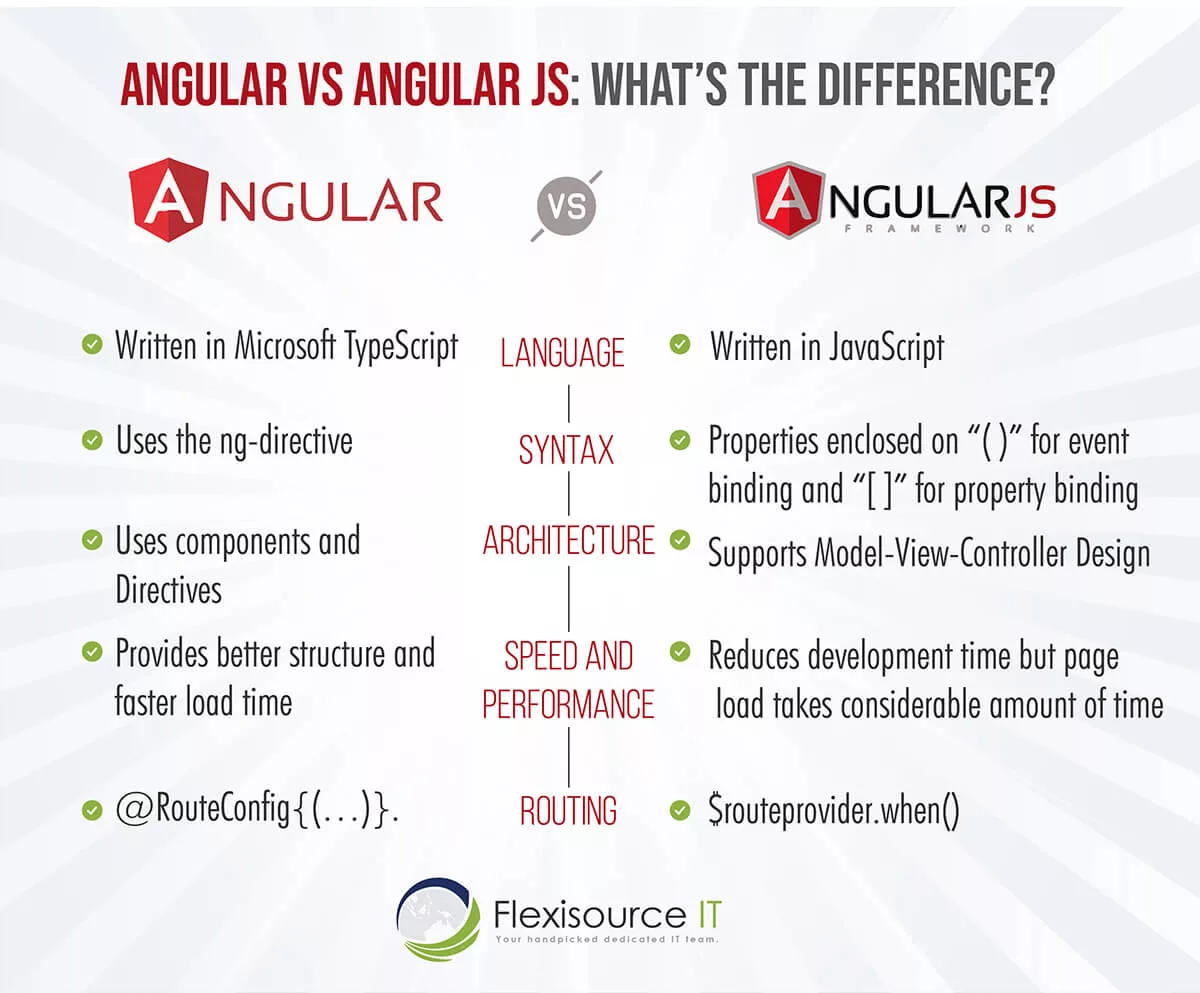
AngularJS, launched in 2010, introduced powerful capabilities for building dynamic web applications. Modern Angular, released in 2016, is a complete rewrite built using TypeScript and a component-based architecture.
Today, businesses working with an Angular development company typically choose Modern Angular because it offers better performance, scalability, and maintainability.
Key Differences Between AngularJS and Angular
Some major differences include:
- AngularJS primarily uses JavaScript, while Modern Angular is built around TypeScript.
- AngularJS relies on controllers and directives, whereas Angular uses a more scalable component-based architecture.
- AngularJS includes a basic dependency injection system, while Angular offers a more powerful and flexible dependency injection framework.
- AngularJS provides limited built-in tooling, whereas Angular comes with advanced CLI tools, debugging capabilities, and testing support.
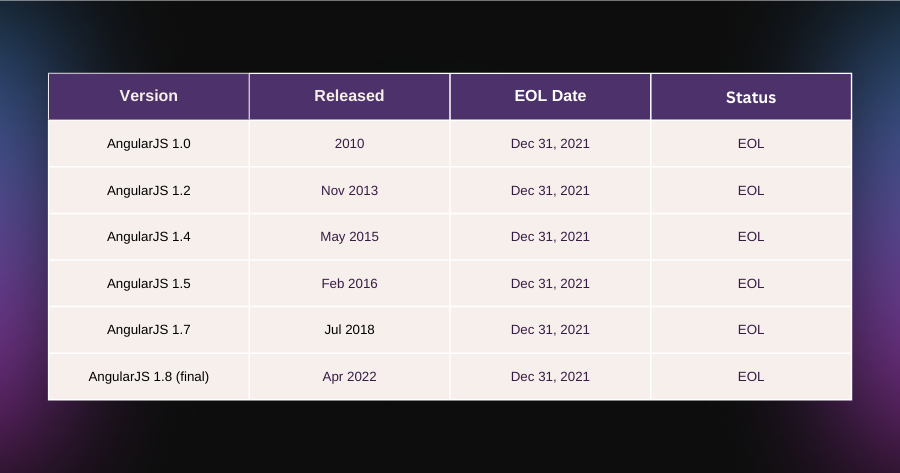
- AngularJS has reached end-of-life and no longer receives official updates, while Angular continues to receive regular feature enhancements, security patches, and long-term support.
For any Angular web development project expected to grow over time, these improvements can significantly impact development efficiency.
If you want to read in detail about the AngularJS vs Angular dilemma, give this article a read : Stable AngularJS and Long Term Support
Performance and Speed Comparison
Performance is one of the biggest reasons businesses move away from AngularJS.
Modern Angular includes:
- Ahead-of-Time (AOT) compilation
- Lazy loading
- Improved change detection
- Better rendering performance
These enhancements help businesses build faster and more responsive applications.
Whether you’re hiring an Angular software developer or an Angular front end developer, performance optimization is often a key reason for choosing Angular over AngularJS.
Development Experience and Productivity
Developer productivity directly affects project costs and delivery timelines.
Angular provides:
- Angular CLI
- Strong TypeScript support
- Better debugging tools
- Improved testing frameworks
- Enhanced IDE integration
This allows an Angular developer freelancer or in-house team to build and maintain applications more efficiently.
Scalability for Business Applications
As businesses grow, applications become more complex.
Modern Angular’s architecture makes it easier to:
- Organize large codebases
- Manage multiple development teams
- Scale features over time
- Maintain long-term application health
For companies building enterprise-grade platforms, Angular remains one of the strongest frontend frameworks available.
Here is another read in reference to best practices when it comes to Angular : Angular Architecture Guide To Building Maintainable Applications at Scale
Want to book a consultancy session with our team about your Angular app?
Enhance your brand potential
If you’re ready to become the answer in AI-driven search, talk to us.

Security and Long-Term Support
Security should always be a business priority.
Modern Angular receives ongoing updates and includes protections against many common web vulnerabilities.
AngularJS, however, reached End-of-Life (EOL) and no longer receives official support. This increases the risk of security issues and compatibility challenges over time.
For businesses requiring Angular consulting, security concerns are often a major driver behind modernization projects.
Cost of Development and Maintenance
Although maintaining an existing AngularJS application may seem cost-effective initially, long-term costs can increase due to:
- Technical debt
- Legacy infrastructure
- Security concerns
- Limited developer availability
Modern Angular often reduces maintenance overhead and improves development efficiency, making it a more sustainable investment.
AngularJS End-of-Life Considerations
The biggest challenge with AngularJS is its End-of-Life status.
Businesses still relying on AngularJS may face:
- Security risks
- Browser compatibility issues
- Difficult upgrades
- Limited community support
Finding an experienced Angular freelancer with AngularJS expertise is also becoming increasingly difficult.
When Businesses Should Migrate to Angular
Migration should be considered when:
- Performance issues affect users.
- Security compliance becomes a concern.
- Major new features are planned.
- Development costs continue increasing.
- Scalability becomes a priority.
An experienced Angular web developer can help assess whether a migration project makes business sense.
Choosing the Right Framework for Your Business in 2026
For new projects, Modern Angular is generally the recommended choice.
Its performance, scalability, security, and active ecosystem make it a strong option for businesses building an Angular website, enterprise portal, or Angular web app.
While AngularJS applications may continue operating in the short term, organizations focused on long-term growth should evaluate modernization strategies sooner rather than later.
And even after choosing the right framework, knowing what to do and what not to is just as important:
Do's
Use Modern Angular for new business applications.
Prioritize scalability when selecting a frontend framework.
Keep Angular projects updated with the latest supported versions.
Plan AngularJS migrations before security and maintenance risks increase.
Work with experienced Angular developers for enterprise-grade applications.
Don'ts
Start new projects using AngularJS.
Ignore AngularJS End-of-Life and security implications.
Delay migration planning until maintenance costs become excessive.
Choose a framework based solely on short-term development costs.
Overlook performance optimization and scalability requirements.
Final Thoughts
AngularJS helped shape modern web development, but its End-of-Life status makes it increasingly difficult to recommend for future projects. Modern Angular offers stronger performance, better developer productivity, enhanced security, and long-term support.
For businesses planning to build Angular apps that can scale and evolve over time, Modern Angular remains one of the most reliable frontend technologies available today.
