




What Is Next.js and Why Businesses Use It
Next.js is a React-based framework designed for building modern web applications and websites.
Unlike traditional React projects, Next.js includes built-in features for performance optimization, SEO improvements, and scalable architecture. This allows businesses to launch production-ready applications faster while reducing development complexity.
Many organizations choose to work with a Next.js developer because the framework accelerates both development and long-term maintenance.
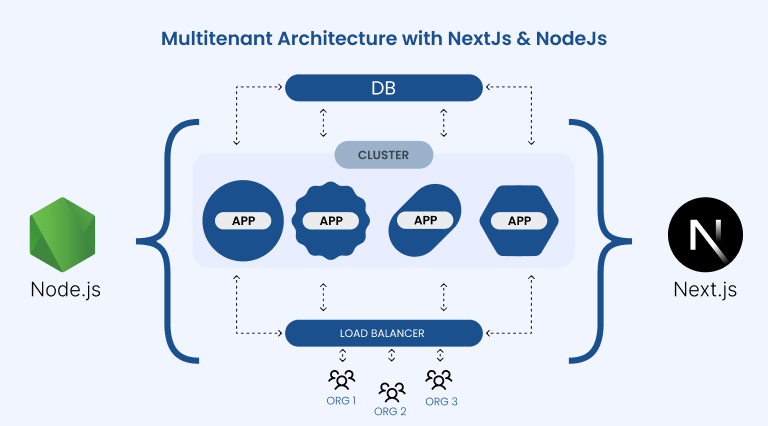
Modern businesses need websites that are fast, scalable, and visible in search engines. Unfortunately, many traditional web applications struggle with slow loading times, poor SEO performance, and scalability challenges.
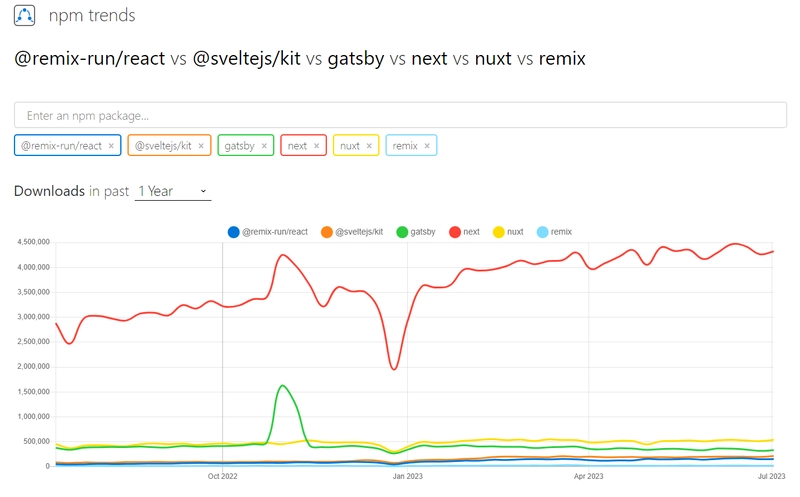
This is where Next.js has become a preferred framework for modern web development. From startups launching their first product to enterprises managing high-traffic platforms, businesses increasingly rely on Next.js development services to build high-performance websites that drive growth.
If you want to know more about the structure of nextJs, Give this article a read: A Comprehensive Guide to Next.js — Architecture, Features and More!
Why Next.js Is Becoming the Go-To Framework for Modern Websites
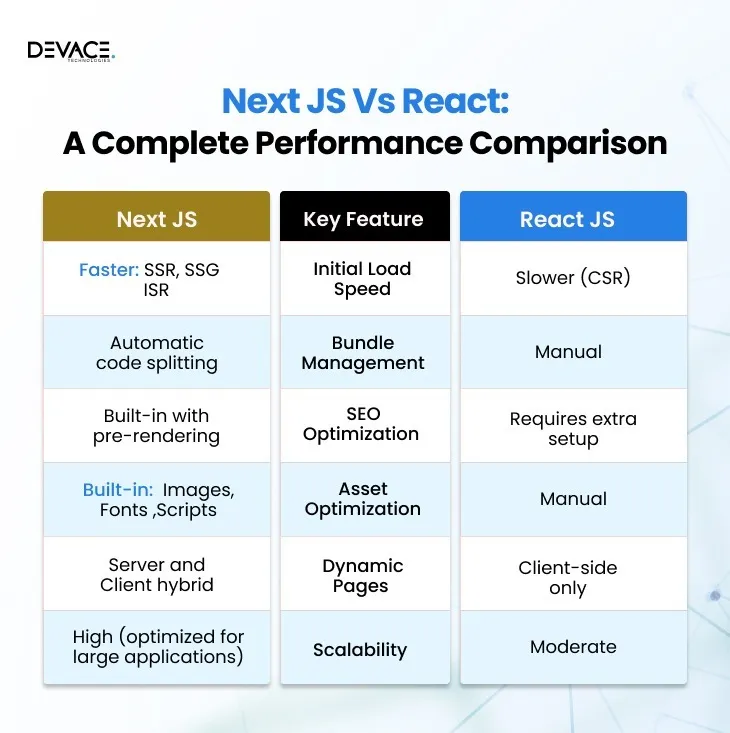
Built on top of React, Next.js provides powerful features such as Server-Side Rendering (SSR), Static Site Generation (SSG), optimized routing, and performance enhancements out of the box.
As a result, businesses can create a Next.js website that loads quickly, ranks better in search engines, and delivers a superior user experience compared to many traditional React applications.
Faster Website Performance and Loading Speeds
Website speed directly impacts user engagement and conversions.
Next.js automatically optimizes:
- Images
- Code splitting
- Asset delivery
- Route loading
These optimizations help pages load faster and create a smoother experience for visitors.
For businesses competing in crowded markets, faster websites often translate into better conversion rates and higher customer satisfaction.
Server-Side Rendering (SSR) Benefits
One of the biggest advantages of Next.js is Server-Side Rendering (SSR).
With SSR, pages are rendered on the server before being delivered to users. This means visitors receive fully rendered content immediately instead of waiting for JavaScript to load.
Benefits include:
- Faster perceived load times
- Improved SEO
- Better accessibility
- Enhanced user experience
For content-heavy websites and business platforms, SSR remains one of the strongest reasons to choose Next.js.
Static Site Generation (SSG) for High-Speed Websites
Next.js also supports Static Site Generation (SSG), where pages are pre-built during deployment.
This approach delivers:
- Extremely fast page loads
- Reduced server load
- Improved reliability
- Better scalability
Businesses using marketing websites, blogs, and documentation platforms often benefit significantly from SSG.
For a more comprehensive study on SSG vs SSR, do read this article : SSR vs. SSG in Next.js: Differences, Advantages, and Use Cases
Improved SEO and Search Engine Rankings
SEO remains a critical factor for business growth.
Unlike many client-side rendered applications, a Next.js website makes content easily accessible to search engine crawlers.
This improves:
- Indexing speed
- Search visibility
- Organic traffic potential
- Content discoverability
Features introduced in Next.js 13 and Next JS 13 further streamline SEO optimization through improved routing and rendering capabilities.
Better User Experience and Lower Bounce Rates
Users expect websites to load instantly.
Slow websites often result in:
- Higher bounce rates
- Lower engagement
- Reduced conversions
Because Next.js prioritizes performance, visitors can access content quickly and navigate smoothly throughout the website.
This creates a better overall experience that keeps users engaged longer.
You read so far! Want to make your very own website with nextjs? Or maybe want to rebuild your old tech stacked website into a functional nextjs platform?
Enhance your brand potential
If you’re ready to become the answer in AI-driven search, talk to us.

Scalability, Security, and Cost Efficiency
As businesses grow, their websites must handle increasing traffic and functionality.
Next.js supports scalable architectures that can accommodate growth without requiring major rebuilds.
Additional benefits include:
- Enhanced security practices
- Reliable deployment options
- Easier maintenance
- Reduced infrastructure complexity
Because many features are built directly into the framework, businesses can often reduce development time and long-term maintenance costs.
Here’s a more extensive read on the commercial advantages of nextjs and why javaScript developers prefer nextJS : Exploring NextJS: Benefits and Drawbacks from a Full-Stack Developer’s Perspective
Main reason Businesses Choose Next.js Development Services
Whether launching a new product, rebuilding an existing website, or scaling a digital platform, businesses need solutions that balance performance, SEO, and development efficiency.
Many organizations choose to hire Next.js developers or partner with a Next.js company because the framework enables faster project delivery while maintaining high technical standards.
From startups looking to hire remote Next.js developers to enterprises investing in digital transformation, Next.js continues to be one of the most effective frameworks for building modern web experiences.
Already having discussed the advantages of using NextJs as a framework for your business endeavour, Now you must see the important dos and don’ts when it comes to opting NextJs for your next online project:
Do's
Prioritize website performance and Core Web Vitals.
Use Server-Side Rendering and Static Site Generation where appropriate.
Optimize websites for both users and search engines.
Build scalable architectures from the beginning.
Work with experienced Next.js developers for complex projects.
Don'ts
Ignore SEO during development.
Rely solely on client-side rendering for content-heavy websites.
Overlook website performance optimization.
Delay scalability planning until traffic increases.
Choose frameworks without considering long-term maintenance requirements.
Final Thoughts
Next.js has become a leading framework for businesses that need fast, scalable, and SEO-friendly websites. Its support for Server-Side Rendering, Static Site Generation, performance optimization, and modern development workflows makes it an excellent choice for organizations of all sizes.
Whether you’re planning a new website or upgrading an existing platform, investing in Next.js development services can help create a faster, more reliable online experience that supports long-term business growth.
