
What’s New in React in 2026?
React continues to evolve around performance, scalability, and developer experience. For any business building a React website, the goal is to load less JavaScript, render smarter, and simplify maintenance.
Whether you work with a React developer, React js developer, reactjs development company, or internal team, modern React rewards clean architecture more than trend chasing.
Key Improvements in React:
- Smarter rendering for better performance
- Reduced client-side processing
- Improved scalability for large applications
- Better developer experience and workflow efficiency
- More stable and optimized ecosystem
Modern Tools and Practices:
- Server Components for optimized rendering
- Zustand for lightweight state management
- React Query and SWR for data fetching
- Improved TypeScript support across projects
- Better bundling and code-splitting strategies
- Enhanced debugging and developer tooling
Benefits of These Improvements:
- Faster load times and better responsiveness
- Reduced resource usage
- Easier maintenance of large applications
- Fewer production bugs and errors
- More efficient development workflows
Important Consideration:
Even with better tools, performance still depends on how applications are built.
Common issues still include:
- Poor state management decisions
- Excessive re-renders
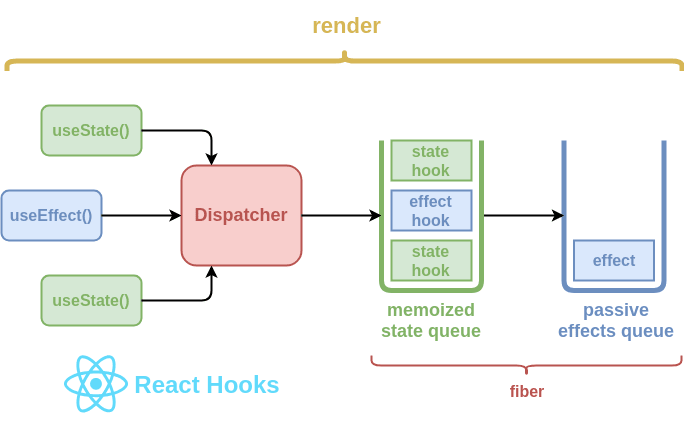
- Overuse of effects (useEffect)
- Weak or unstructured architecture
Strong engineering practices still matter most.

What’s Irrelevant in React Development?
Many older React practices are less useful today because the ecosystem now offers cleaner, faster, and more scalable options.
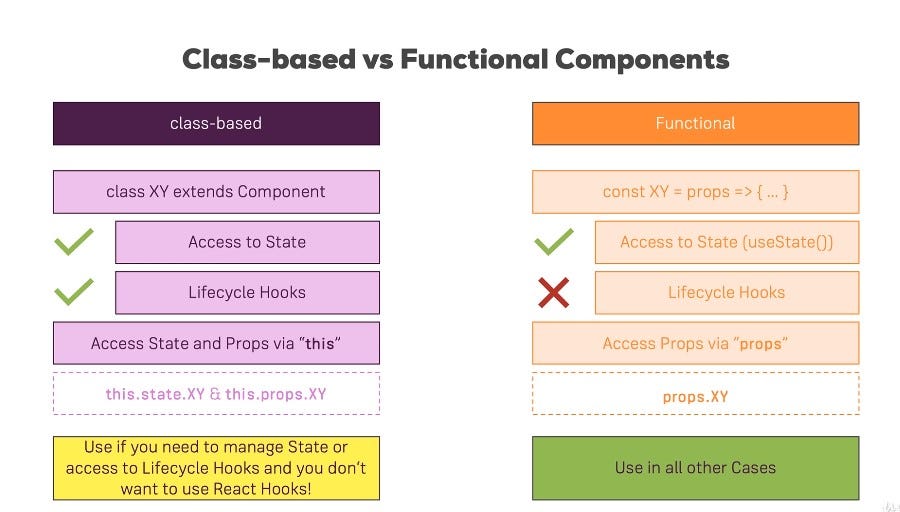
Over Reliance on Class Components
Class components were once standard because they handled state and lifecycle methods before Hooks existed.
- Used for state and lifecycle management in early React.
- Required constructors, binding, and more boilerplate.
- Became harder to scale in large applications.
With Hooks, functional components became the preferred approach for most React developer work.
Before Hooks, logic sharing relied on HOCs and Render Props, which often made code more complex.
- HOCs added extra wrapper layers.
- Render Props increased nesting.
- Logic reuse was less clean and scalable.
Custom Hooks simplified reusable logic and reduced complexity.
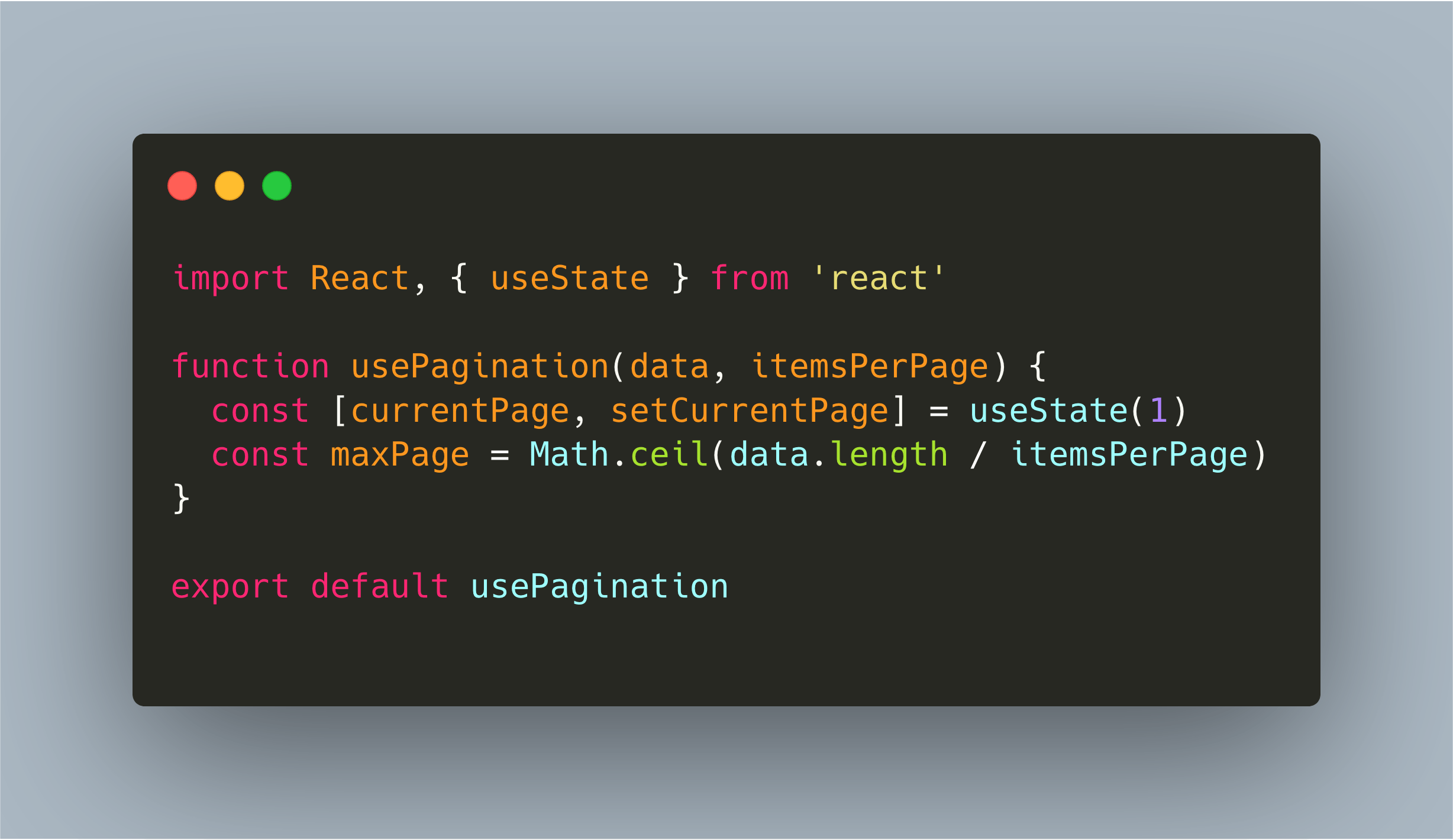
Today, functional components are the React standard, while class components are mostly legacy.
- Functional components are simpler and cleaner.
- Hooks handle most use cases efficiently.
- Modern libraries are built around functional patterns.
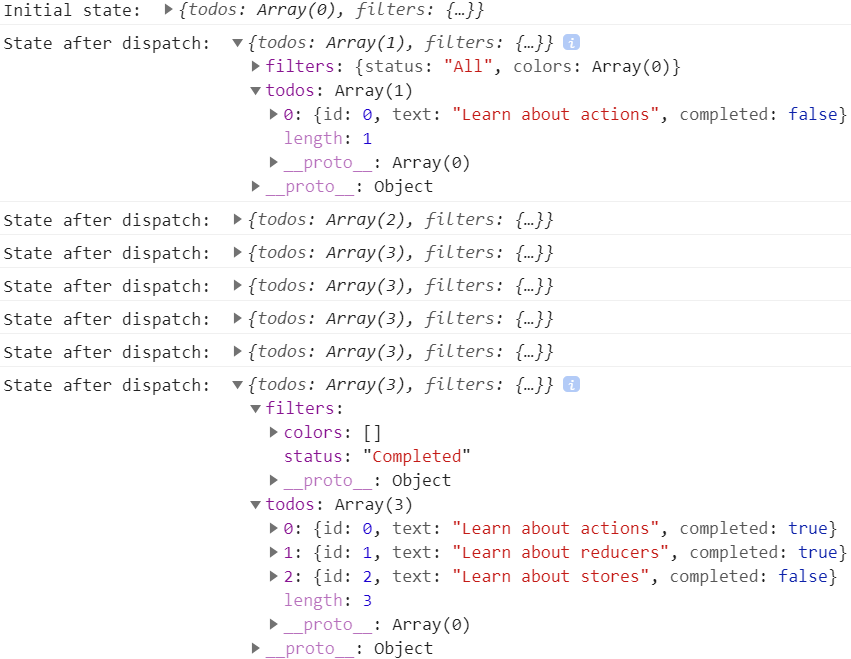
Massive Global State for Everything
Older React apps often stored nearly everything in one global store, even when local or server state would have been enough.
- Used a single global store for most application data.
- Required extra boilerplate like actions and reducers.
- Often overused for simple UI or local state.
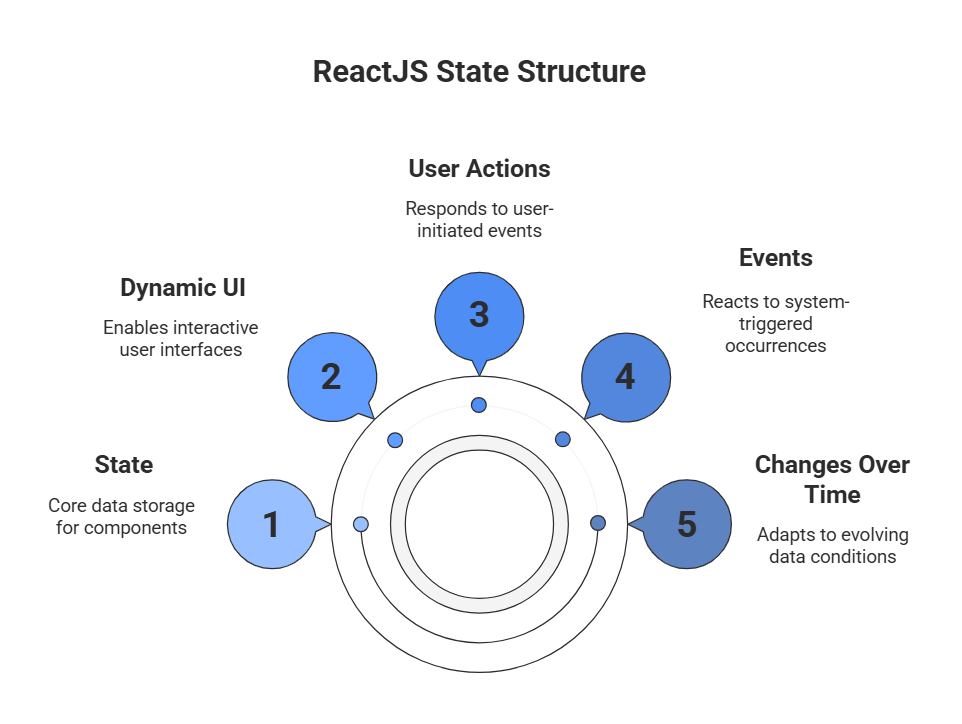
Modern React chooses the right state tool for each job.
- Local state for component-level data.
- Context API for shared app settings.
- React Query for server state management.
- Zustand or similar tools for lightweight global state.
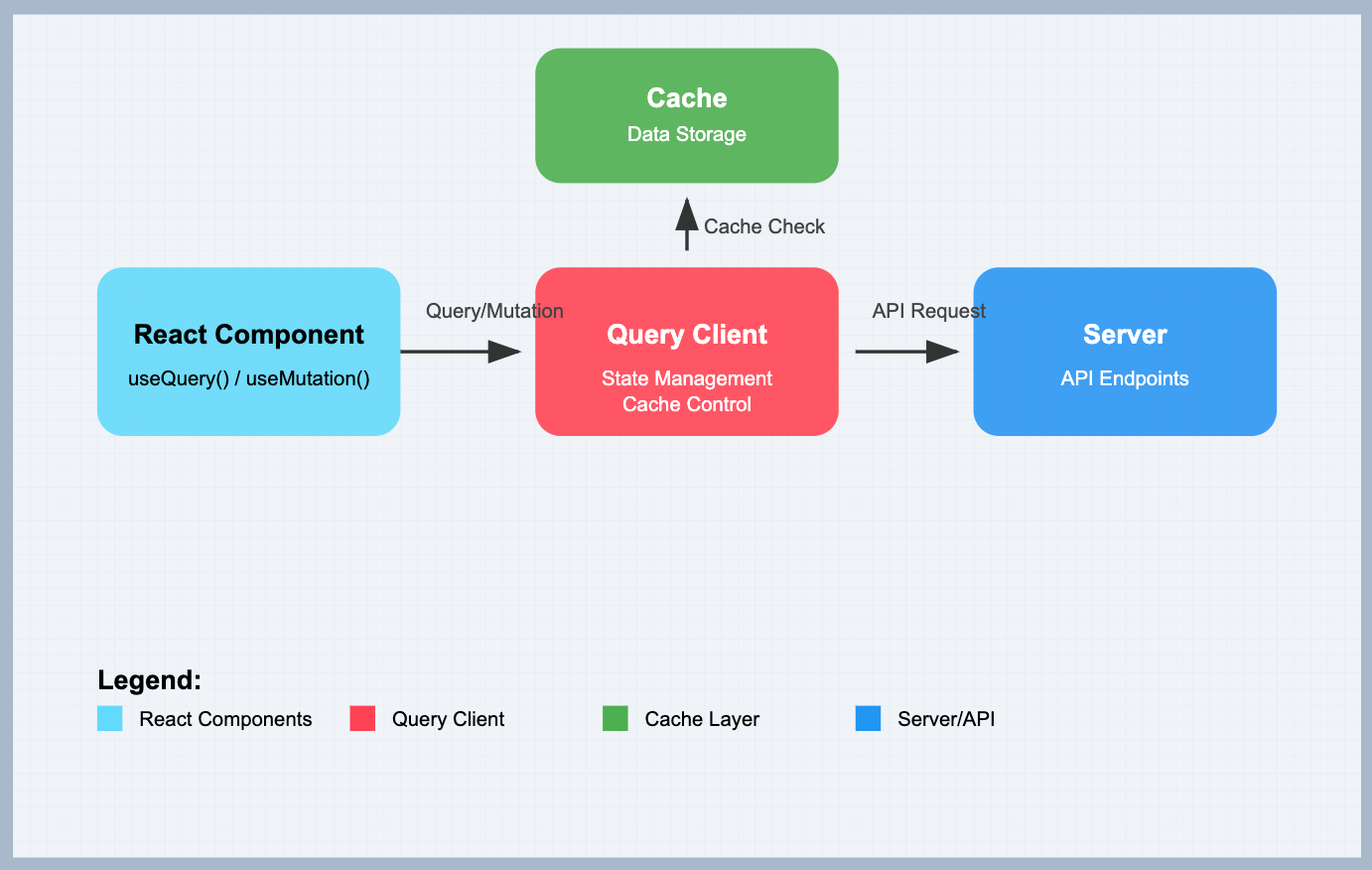
Separating server state from client state reduces unnecessary complexity.
- Server data handled by tools like React Query.
- Built-in caching and syncing reduce manual work.
- No need for complex global store logic.
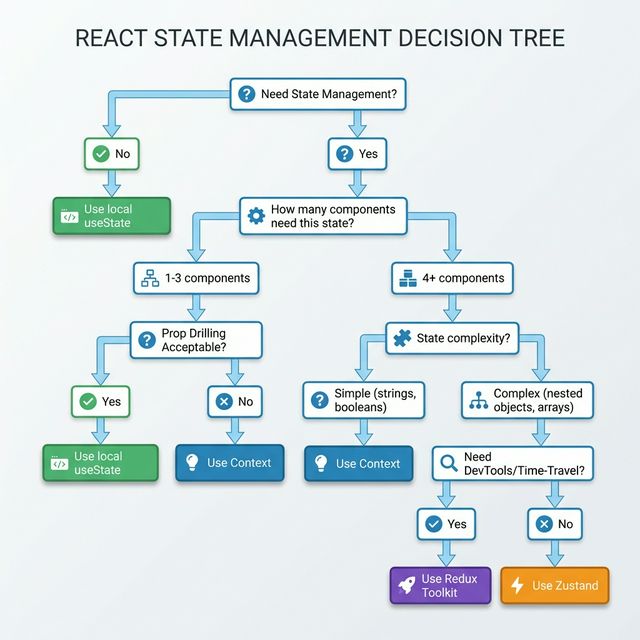
Today, global state is used only where it adds real value.
- Improves performance and reduces re-renders.
- Makes code easier to understand and maintain.
- Global state is used only when truly needed.
Unoptimized Monolithic Applications
Many older apps shipped as one large JavaScript bundle, which slowed load times as features grew.
- Single large bundle increased load times.
- Too many components and dependencies in one build.
- Poor performance on slower devices and networks.
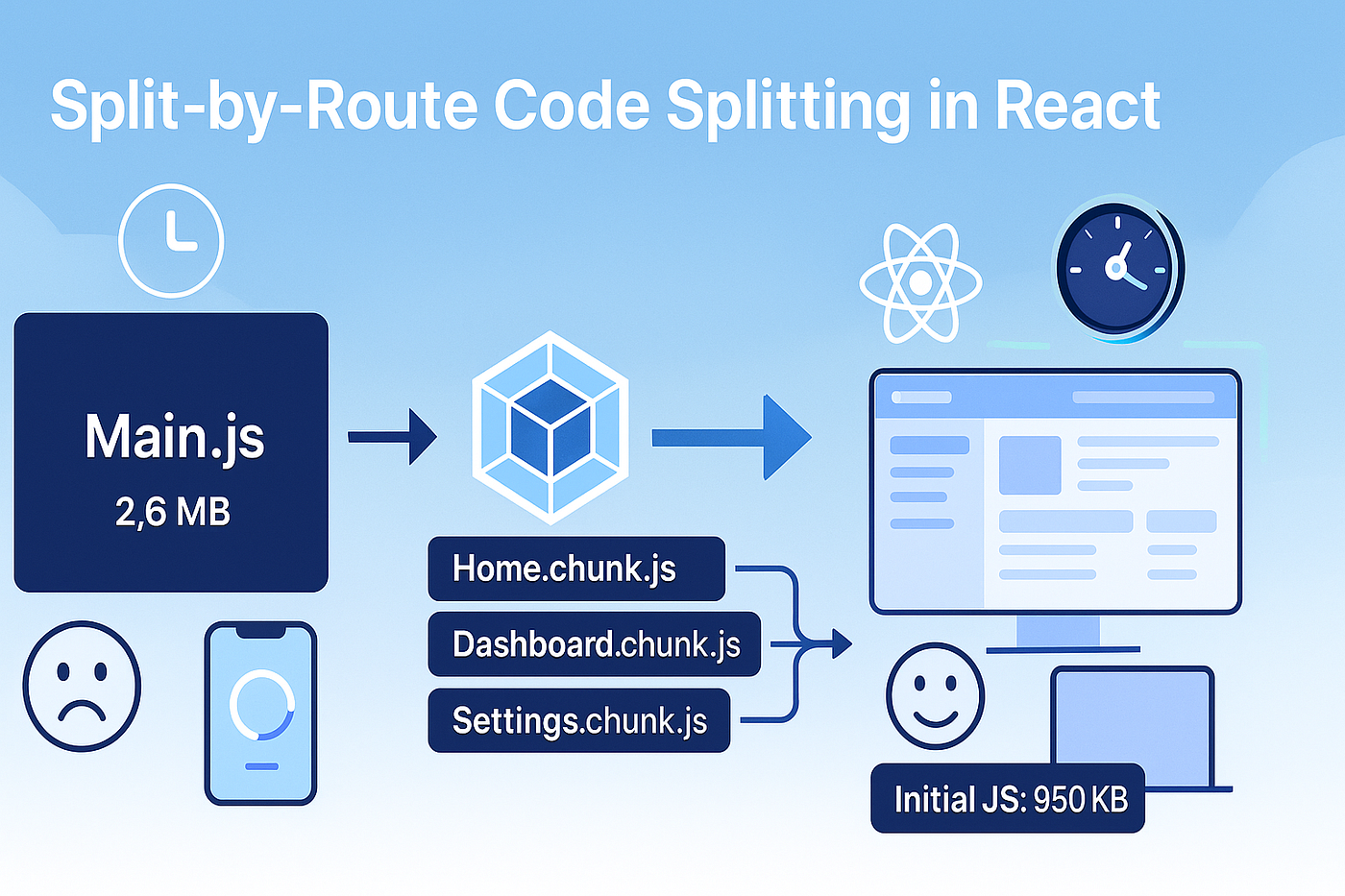
Modern React loads only what users need.
- Code splitting breaks apps into smaller chunks.
- Only required code is loaded on demand.
- Improves initial load performance.
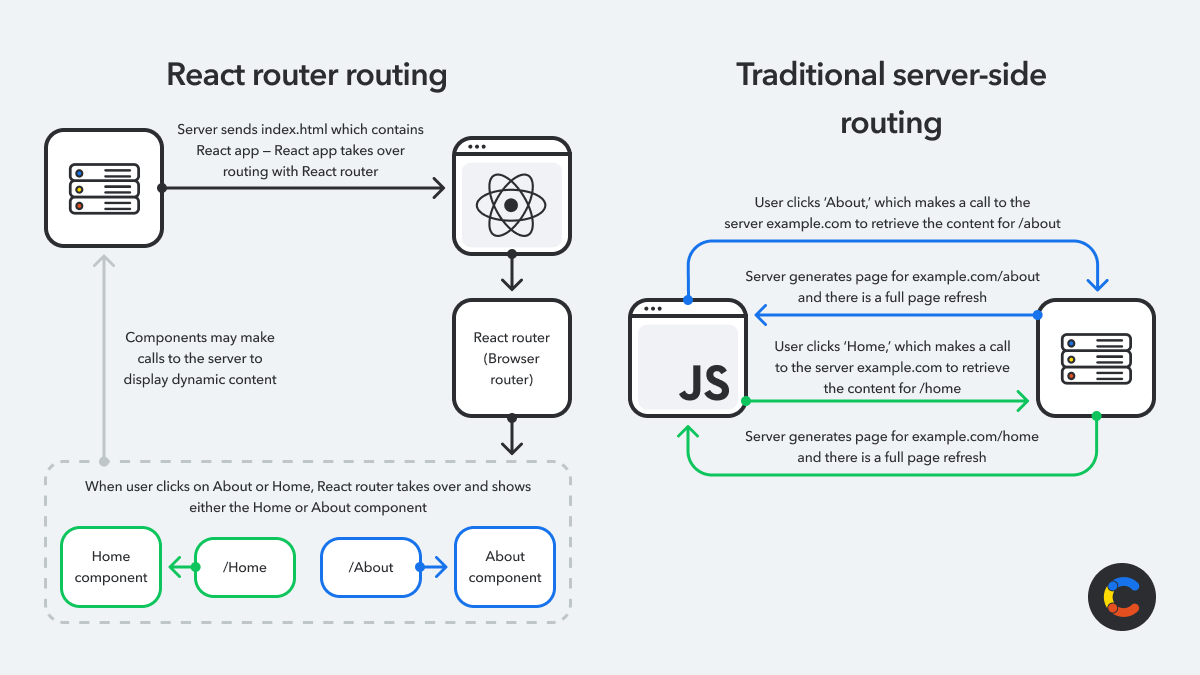
Lazy loading and route-based splitting further improve speed.
- Components load only when accessed.
- Routes load their own required assets.
- Reduces unnecessary downloads for users.
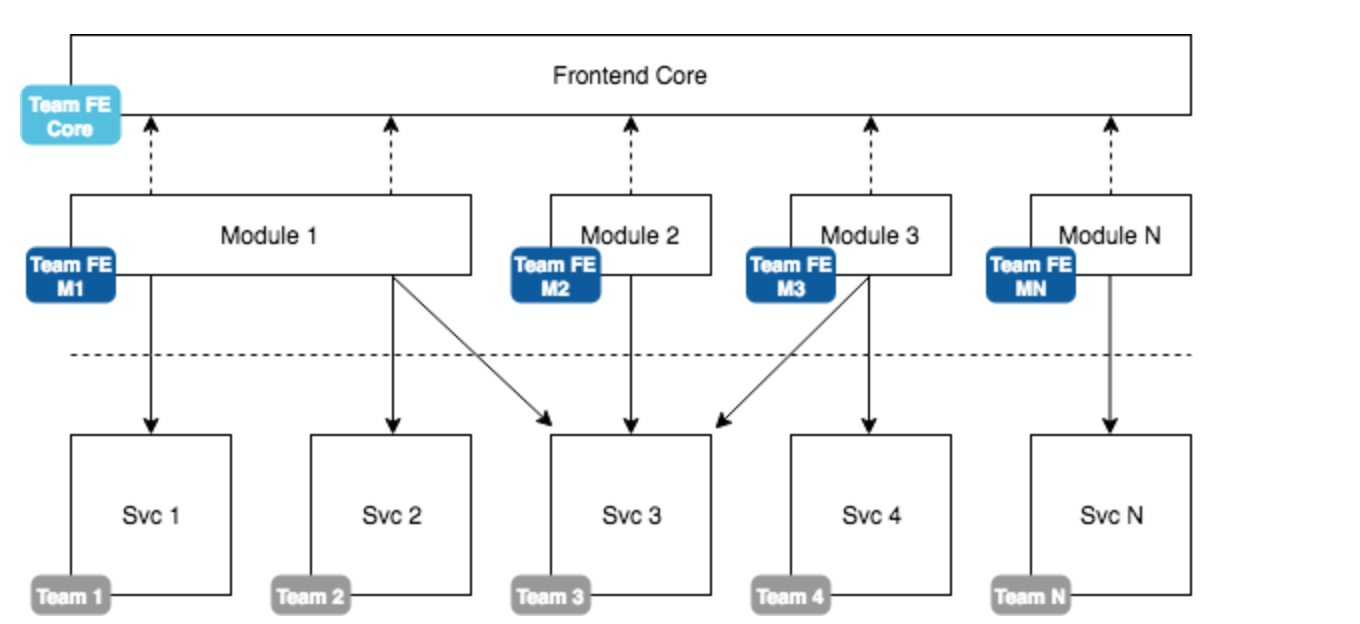
Modular architecture is expected, especially in projects using Next js or a modern react framework.
- Easier to maintain and scale applications.
- Better debugging and performance tracking.
- Tools like Next.js automate optimization.
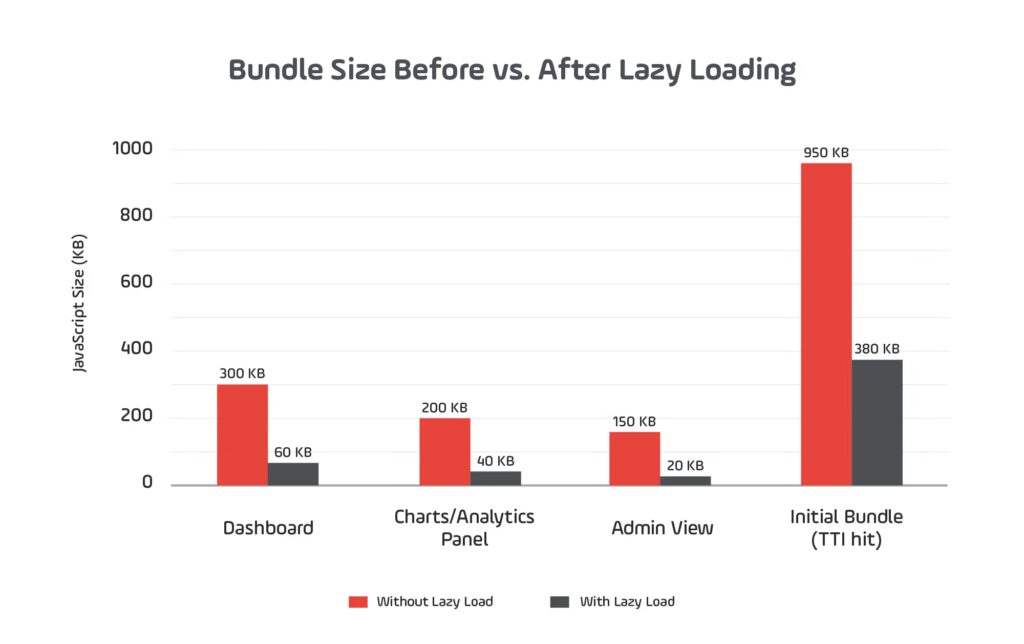
In case you want a jist of what to do and what not to, when it comes to react, just read this table below:
Do's
Use React.memo, useMemo, and useCallback when performance optimization is necessary.
Break large interfaces into reusable, single-responsibility components.
Implement code splitting using React.lazy and Suspense.
Centralize data fetching with React Query, SWR, or custom hooks.
Adopt TypeScript to improve code quality and maintainability.
Don'ts
Pass props through multiple component layers unnecessarily.
Make sure to Mutate the React state directly.
Use array indexes as keys in dynamic lists.
Fetch the same data repeatedly across components.
Ignore error boundaries in production applications.
What Actually Matters in Modern React Development in 2026
Modern React is about fundamentals: performance, maintainable architecture, scalable state, and user experience. A React js developer or reactjs development company should focus on measurable quality.
I. Unnecessary Re Renders
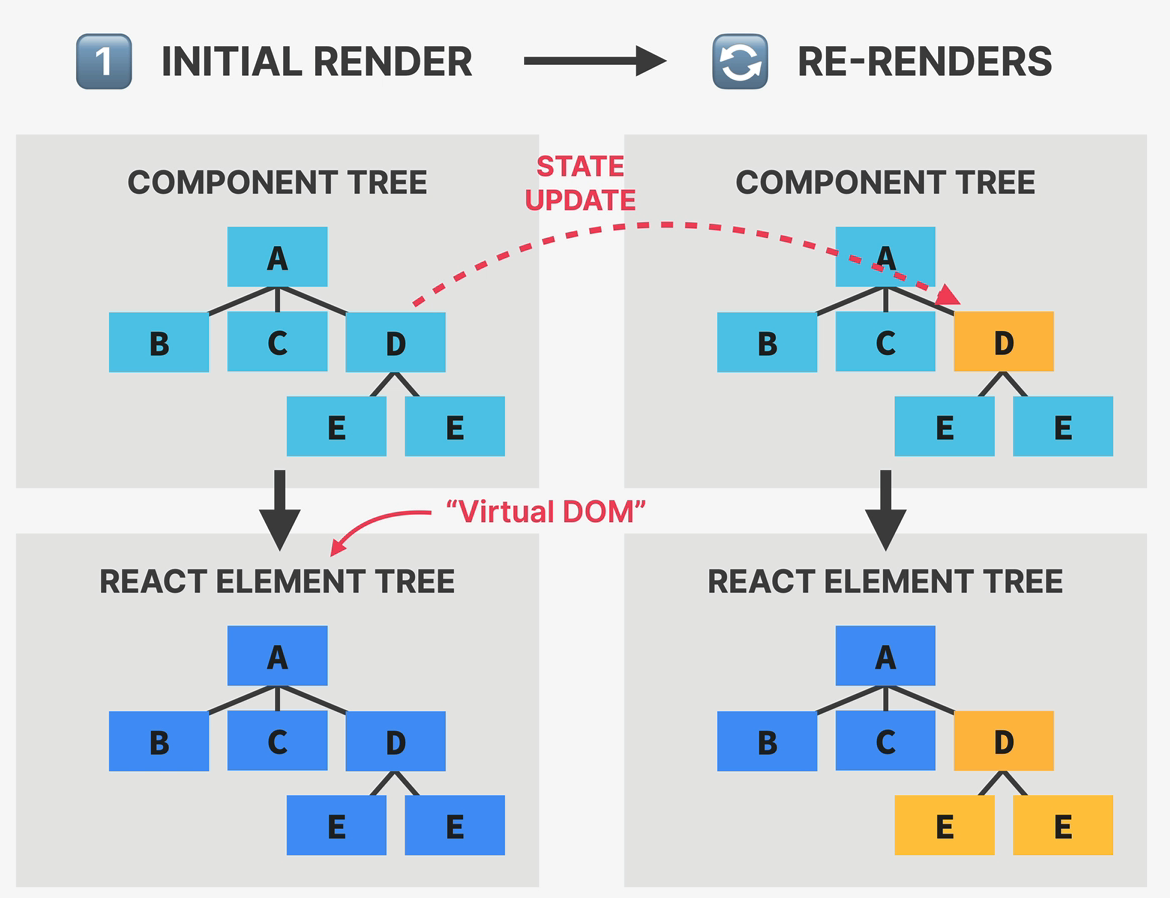
Unnecessary re-renders remain common when components receive new object, array, or function references even though the UI has not changed.
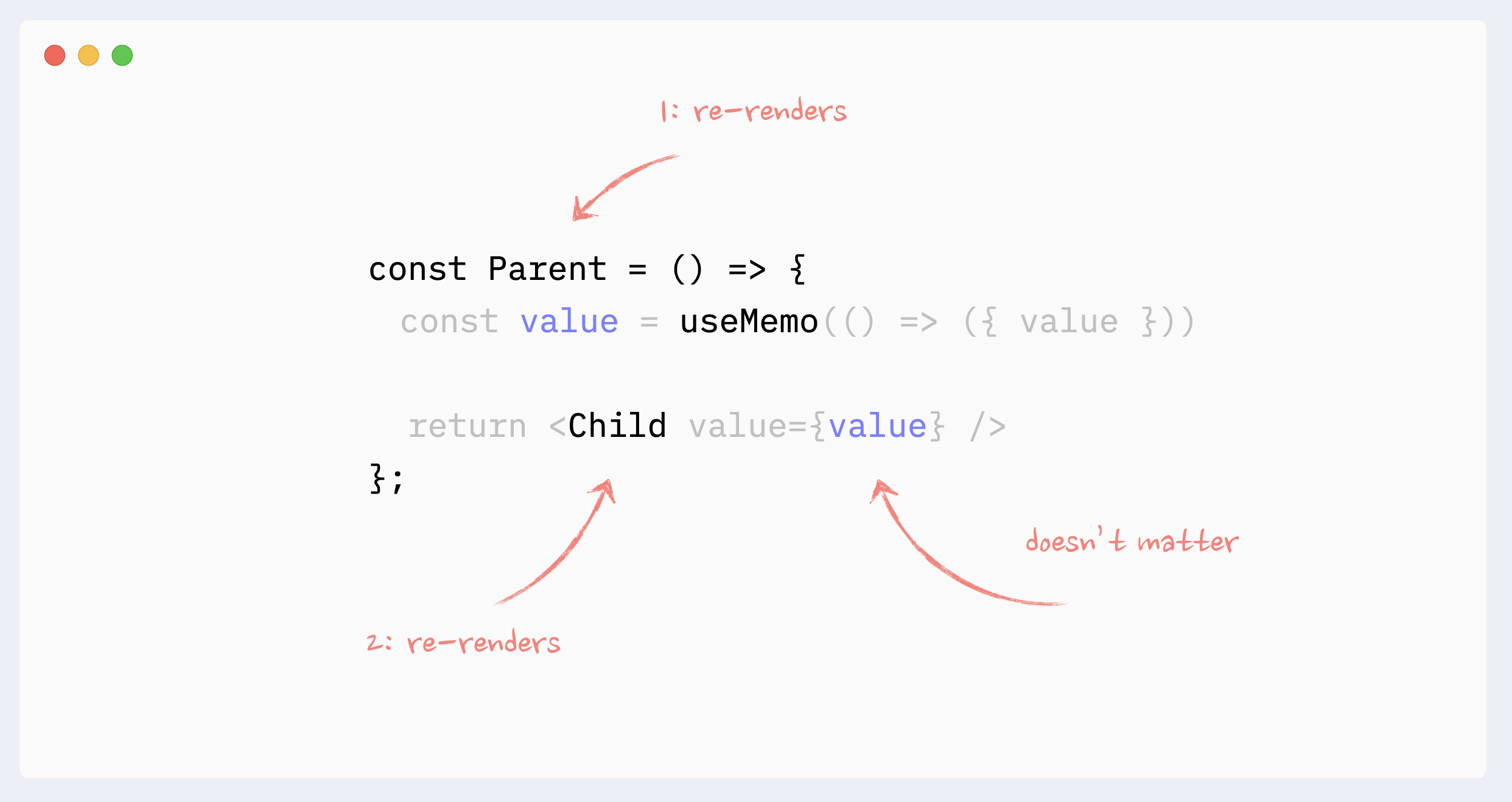
Common causes include:
- Passing newly created objects or functions as props.
- Not memoizing expensive calculations.
- Poor optimization of frequently updated components.
React provides several tools to help:
- React.memo() prevents unnecessary component re-renders.
- useMemo() caches expensive calculations.
- useCallback() preserves function references.
Optimize after profiling, not by guessing.
Related Reading:
II. Excessive Prop Drilling
Prop drilling happens when data passes through many component layers before reaching the component that needs it. This makes a React website harder to scale.
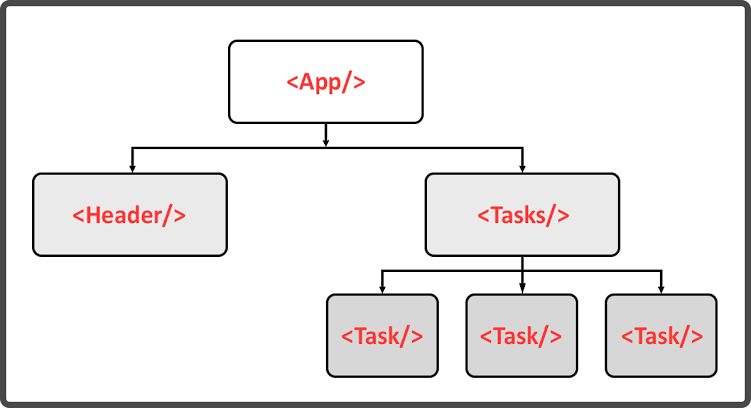
Common problems include:
- Passing data through several component levels unnecessarily.
- Creating tight coupling between unrelated components.
- Making state changes harder to manage and track.
Modern React offers better ways to share data across an application:
- Context API simplifies sharing global data such as themes and authentication state.
- Zustand provides lightweight state management with minimal boilerplate.
- Redux Toolkit offers a scalable solution for complex application state.
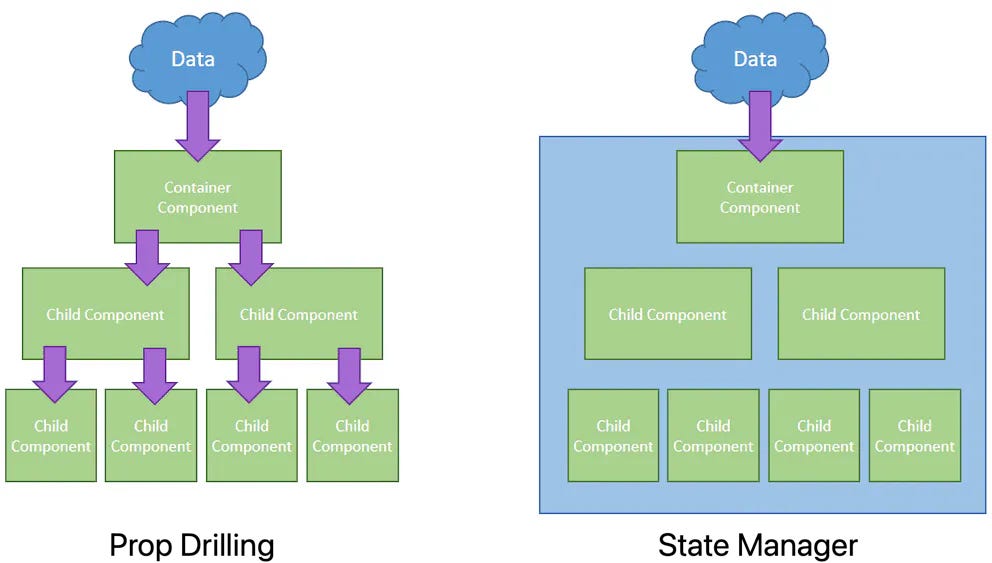
Choosing the right state approach improves maintainability.
Related Reading:
III. Misunderstanding useEffect
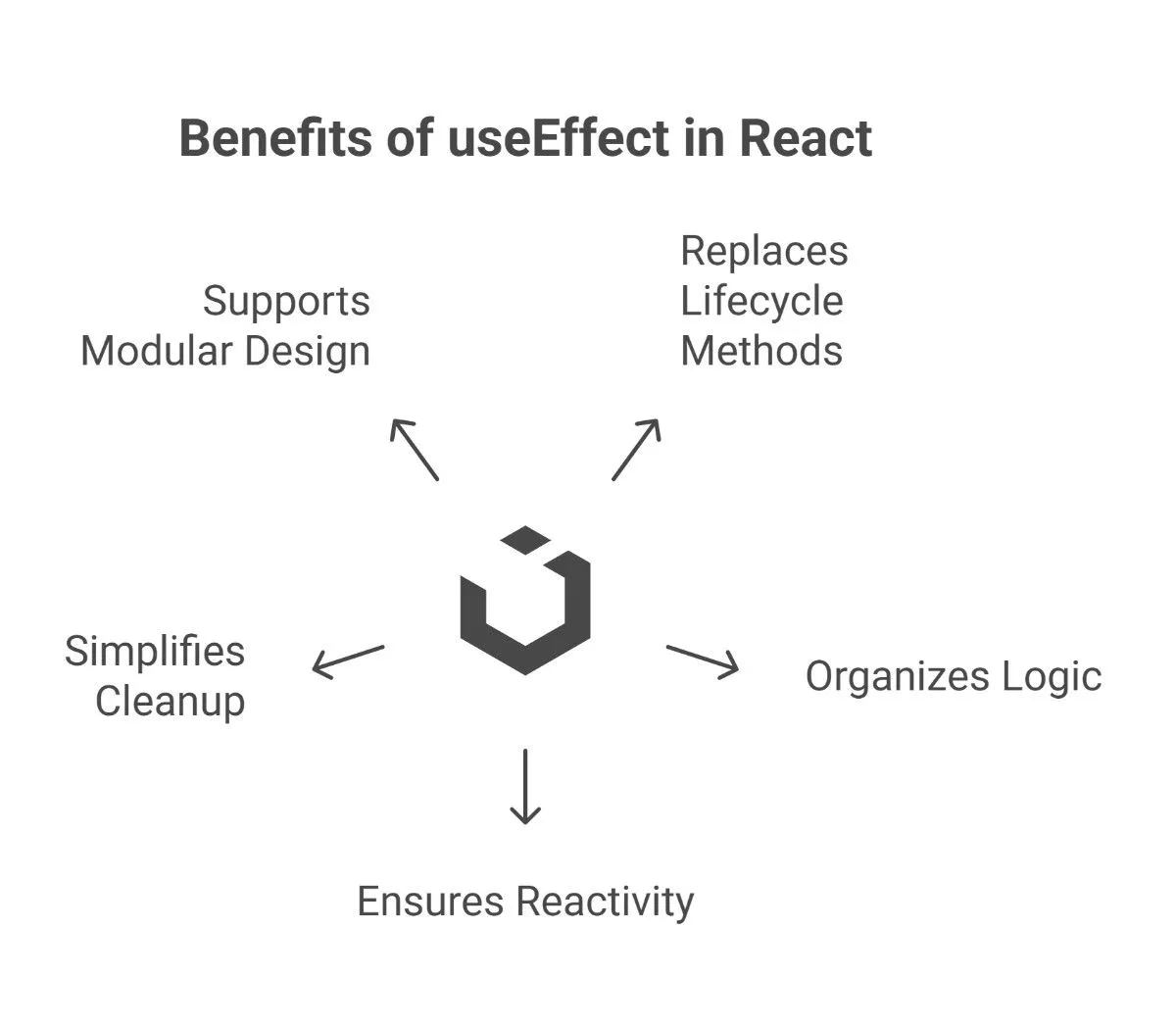
The useEffect Hook is powerful, but often misused.
useEffect should handle side effects such as API calls, subscriptions, timers, and external systems.
Common mistakes include:
- Missing dependency arrays, causing effects to run on every render.
- Incorrect dependency arrays that trigger effects too often or not at all.
- Creating infinite render loops by updating state inside effects.
- Working with stale closures that reference outdated values.
Many situations don’t require an effect at all.
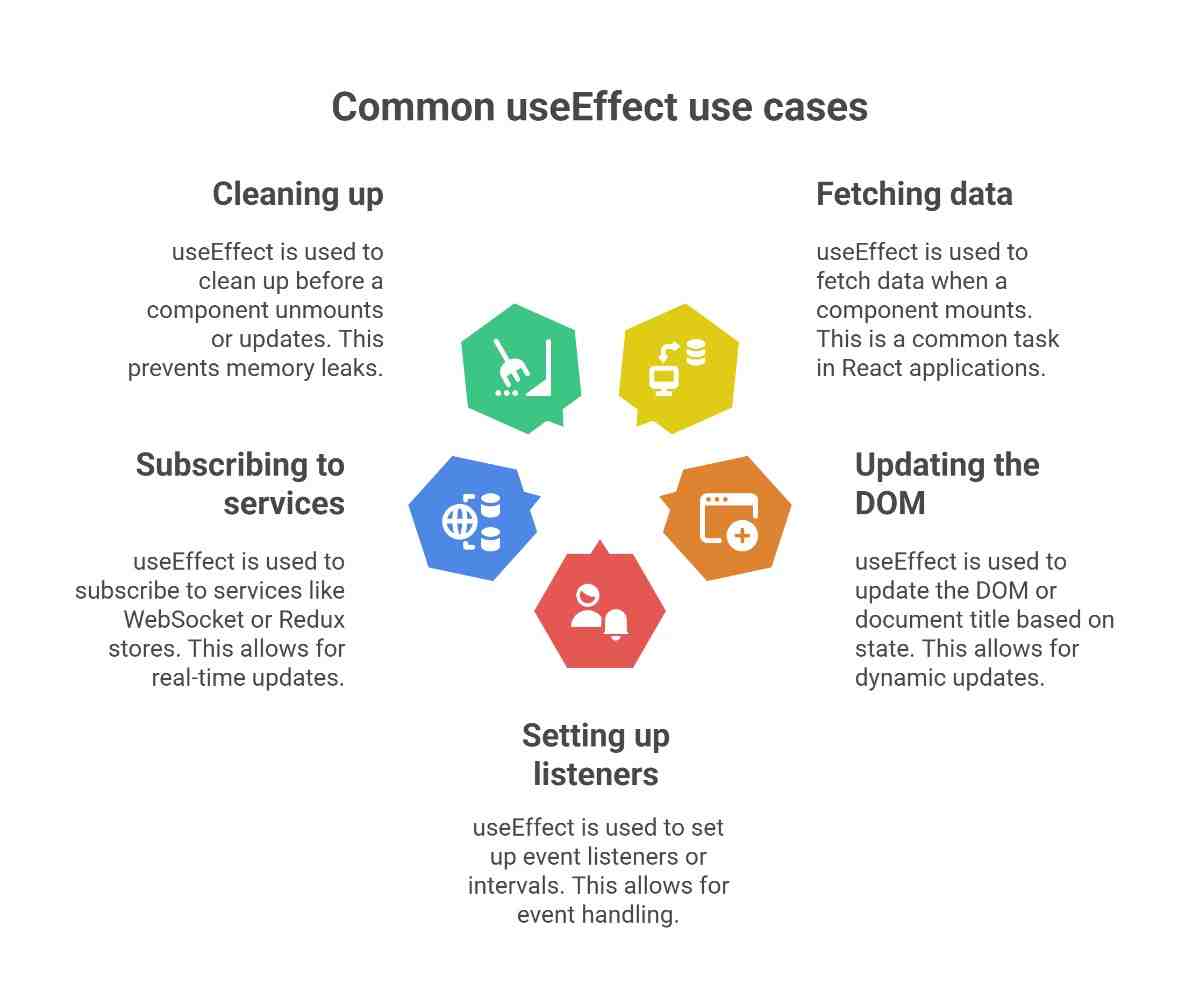
Understanding when an effect is necessary keeps applications predictable.
Related Reading:
- How to avoid making the same useEffect mistakes as me
- Misconceptions about the React’s useEffect hook
IV. Failing to Implement Code Splitting
Modern users expect fast-loading applications. Large upfront bundles delay interaction.
Common issues include:
- Longer initial load times.
- Slower time-to-interactive.
- Higher resource consumption.
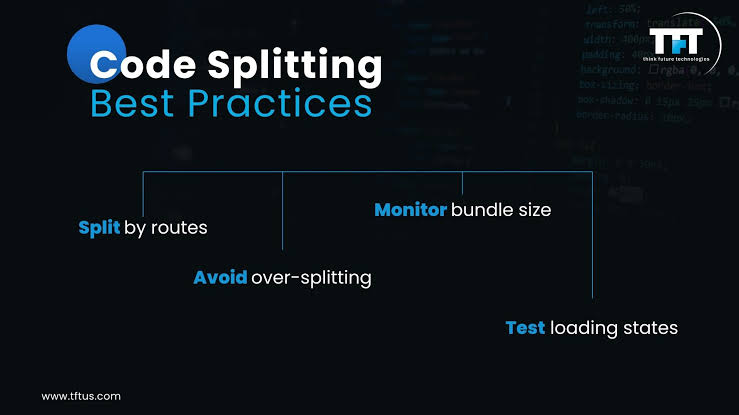
React provides code splitting through React.lazy() and Suspense:
const Dashboard = React.lazy(() => import('./Dashboard'));These tools are useful for a React dashboard, React template, React cms, React component library, Figma to react build, or larger production app.
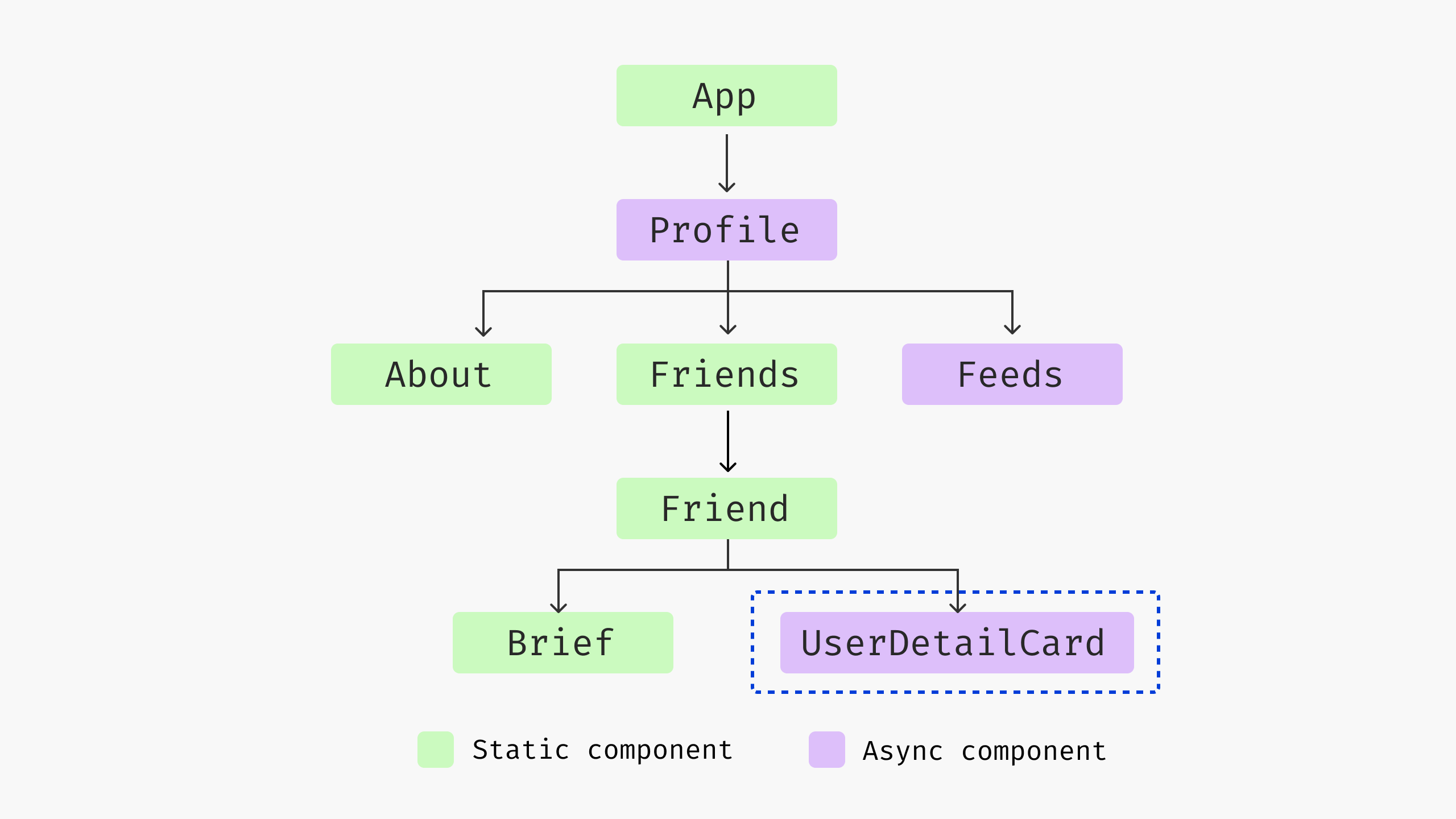
Code splitting improves performance in large applications.
Related Reading:
V. Skipping TypeScript
TypeScript is now standard in many React projects because it catches errors earlier and makes refactoring safer.
Key benefits include:
- Strong typing and improved code reliability.
- Better autocomplete and developer experience.
- Clearer documentation through type definitions.
- Safer refactoring in large codebases.
- Earlier detection of potential bugs.
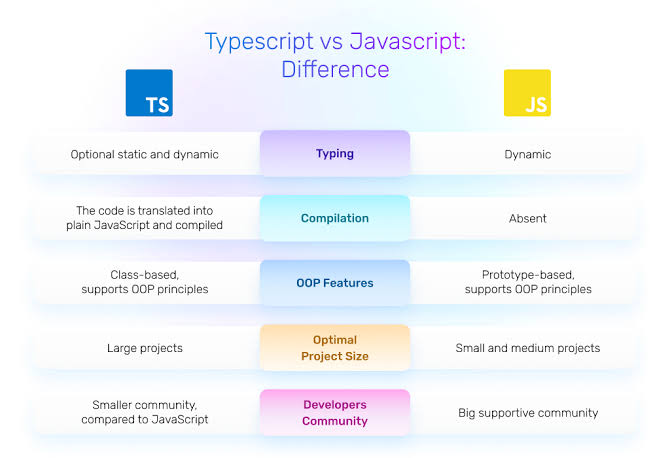
For growing apps, TypeScript supports long-term maintainability.
React certification can help developer teams learn these practices, but real project quality still depends on consistent implementation.
Related Reading:
Final Thoughts
React in 2026 is less about learning every new API and more about avoiding costly architectural mistakes.
The best reactjs developer teams focus on performance, state management, maintainable architecture, code splitting, and type safety. The same applies when hiring a React native developer, React native dev, react native development company, or team building cross-platform products.
Focus on fundamentals that make React applications faster, more reliable, and easier to maintain.
Want to fix your ReactJs app? or Want a new React app?
Enhance your brand potential
If you’re ready to become the answer in AI-driven search, talk to us.