
Prop Drilling in React and How to Avoid It?
As React applications grow, managing data between components becomes increasingly complex. While React’s component-based architecture makes UI development intuitive, it can also introduce challenges when multiple components need access to the same data. One of the most common examples is prop drilling in React.
If you’ve ever passed a prop through several components just so a deeply nested child can use it, you’ve encountered react prop drilling. While it’s not always a problem, excessive prop drilling can make applications harder to maintain and scale.
How Props Normally Work in React
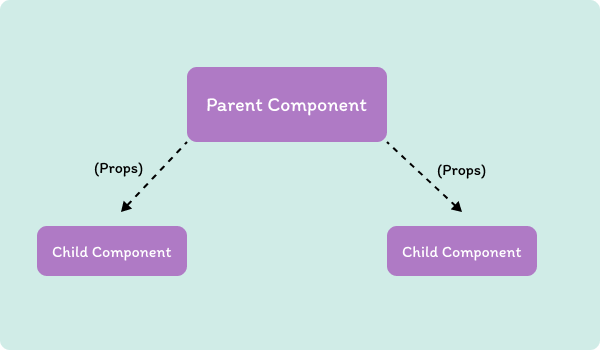
In React, data typically flows from parent components to child components through props.
For example:
function Parent() {
return <Child name=”John” />;
}
function Child({ name }) {
return <h1>{name}</h1>;
}
This approach is simple, predictable, and one of React’s core principles. Problems arise when data needs to travel through multiple layers of components before reaching its destination.
More Detail on Prop Drilling in React
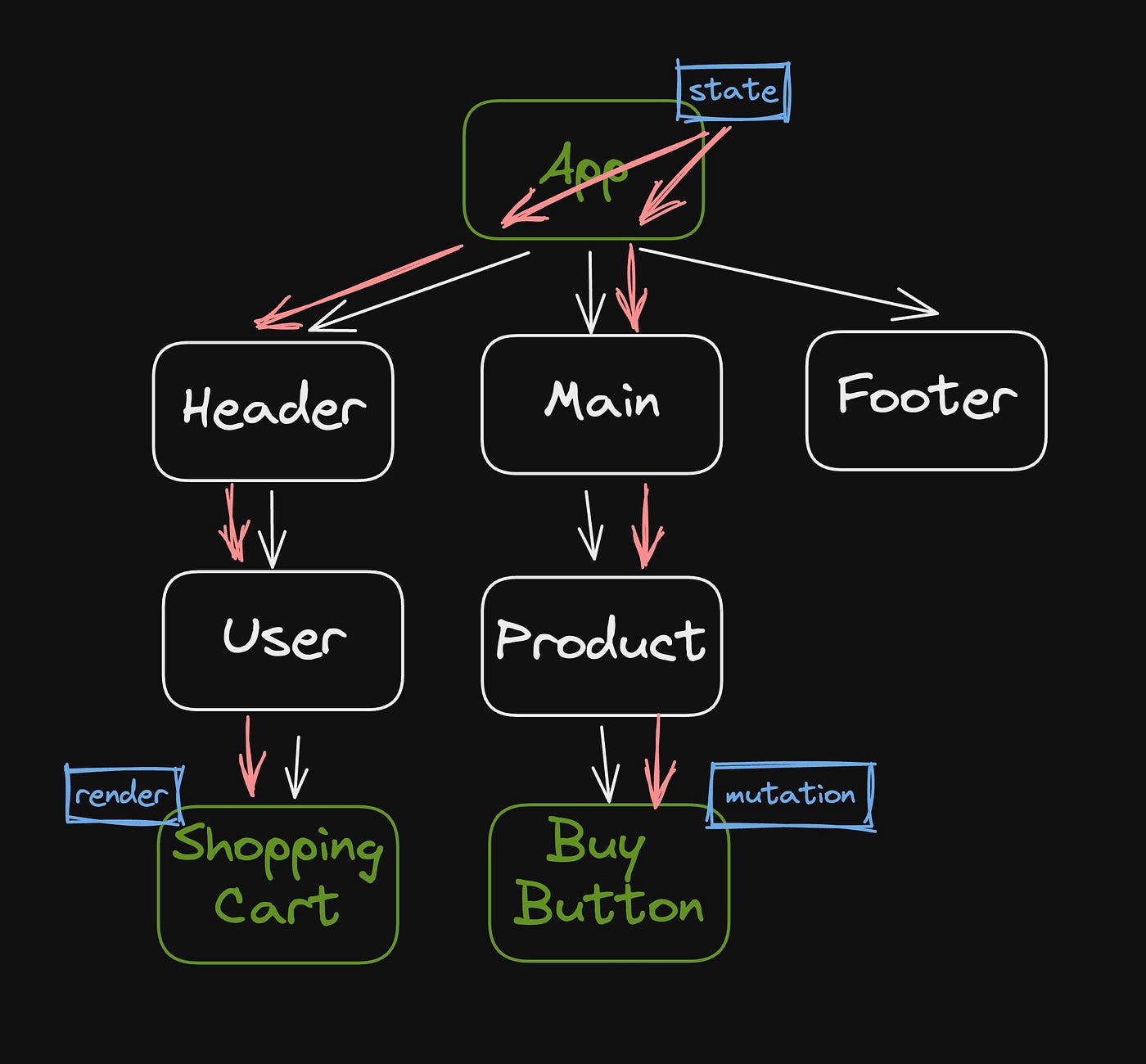
Prop drilling occurs when data is passed through intermediate components that don’t actually use the data themselves.
Consider this component structure:
App
└── Dashboard
└── Profile
└── UserInfo
If UserInfo requires user data from App , you may end up doing something like this:
<App user={user} />
<Dashboard user={user} />
<Profile user={user} />
<UserInfo user={user} />
Neither Dashboard nor Profile needs the user object, but they must receive and forward it anyway. This is another classic example of prop drilling in React JS.
Why Prop Drilling Becomes a Problem
For smaller applications, prop drilling isn’t usually an issue. However, as applications grow, it can create several challenges:
- Components become tightly coupled.
- Refactoring becomes more difficult.
- Code becomes harder to read and maintain.
- New developers need more time to understand data flow.
- Shared state becomes scattered across multiple files.
In large-scale applications, excessive prop drilling often signals that state management needs to be reconsidered.
To understand React application architecture best practices, give this article a read:
ReactJS Architecture: Best Patterns Explained
Consequently, here are some of the dos and don’ts when it comes to using props.
Do's
Use Context API for globally shared data.
Keep state close to where it's used.
Create reusable custom hooks.
Consider Zustand or Redux for complex applications.
Design components with scalability in mind.
Don'ts
Pass props through multiple unused components.
Introduce global state management unnecessarily.
Create deeply nested component trees without planning.
Duplicate shared state across multiple components.
Treat every prop-passing scenario as a prop drilling issue.
How Prop Drilling Affects Scalability
Scalability as features expand, applications often need to share authentication data, user preferences, permissions, themes, and API responses across many components.
Without a proper strategy, these values may need to be passed through multiple layers repeatedly. This increases complexity and creates unnecessary dependencies between unrelated components.
For web developing teams building production-grade React applications, reducing react prop drilling is often a key step toward creating a more maintainable architecture.
When Prop Drilling Is Acceptable
Not every instance of prop passing should be avoided.
If data only travels one or two component levels, props are often the simplest and most readable solution.
The goal isn’t to eliminate props. The goal is to avoid excessive prop chains that make your code difficult to manage.
Using Context API to Avoid Prop Drilling
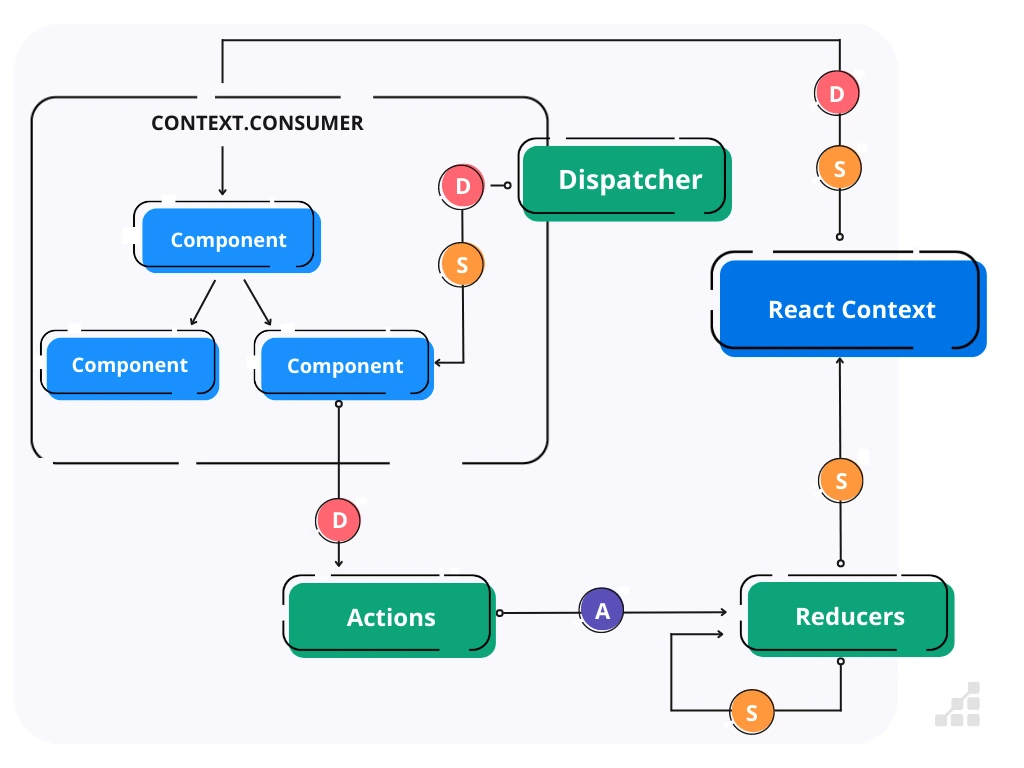
One of the most common solutions to prop drilling in React is the Context API.
Context allows data to be shared across components without manually passing props through every level of the component tree.
Using createContext() and useContext() , components can access shared data directly whenever they need it.
const UserContext = createContext(); This approach works particularly well for user authentication, themes, language settings, and other globally shared data.
Using Redux, Zustand, and Other State Management Libraries
For larger applications, dedicated state management tools often provide greater flexibility.
Popular solutions include:
- Redux Toolkit
- Zustand
- Jotai
- Recoil
These libraries allow components to access shared state without relying on deeply nested prop chains.
For example, Zustand has become increasingly popular because of its simplicity and minimal boilerplate compared to traditional Redux setups.
Here’s another reference, but to an extensive read about redux toolkit and zustard libraries, if you want to know more: Zustand vs Redux Toolkit – Picking React State
Best Practices for Reducing Prop Drilling
To minimize prop drilling react hooks issues, consider the following practices:
- Keep state as close as possible to where it’s used.
- Avoid deeply nested component structures.
- Use Context for application-wide data.
- Create custom hooks for reusable state logic.
- Use state management libraries when application complexity grows.
Choosing the right solution depends on your application’s requirements rather than blindly adopting a specific tool.
Final Thoughts
Prop drilling in React is a common challenge that emerges as applications become larger and more complex. While passing props remains a fundamental React pattern, excessive prop drilling can negatively impact maintainability and scalability.
Whether you use Context API, Zustand, Redux Toolkit, or simply improve your component architecture, the key is selecting an approach that keeps data accessible without creating unnecessary complexity. By addressing prop drilling in React JS early, development teams can build cleaner, more scalable applications that are easier to maintain over time.
Want to fix prop drilling issues in your ReactJs app? or Want a new React app that will have no prop bugs?
Enhance your brand potential
If you’re ready to become the answer in AI-driven search, talk to us.